
Pourquoi les aéroports se tournent vers la suite d'applications Maximo pour moderniser leurs opérations
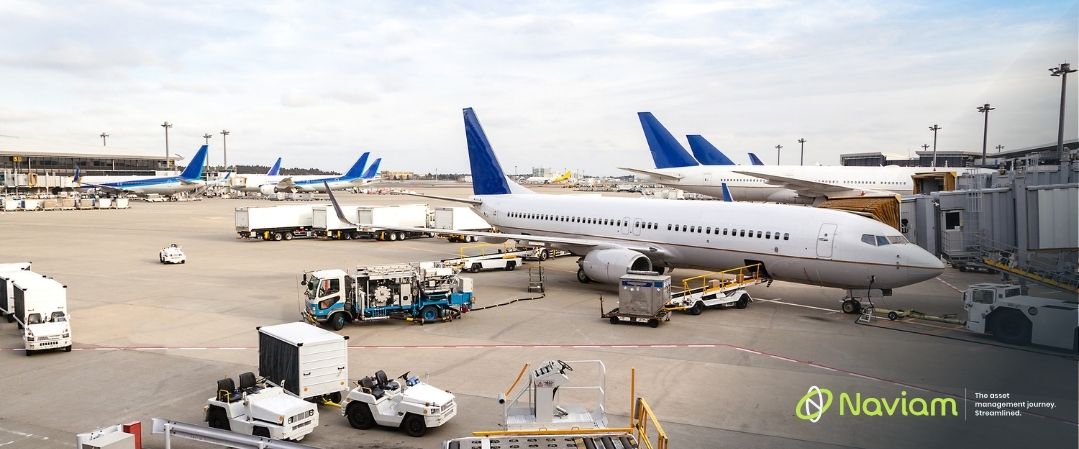
Airports operate in one of the most complex asset environments of any industry. Every day, thousands of interconnected activities rely on infrastructure, equipment, and maintenance teams working together without interruption.
From terminals and baggage systems to ground support equipment and airfield assets, operational reliability directly affects airlines, passengers, and airport performance. That is why many airports are turning to Maximo Application Suite.
Maximo helps airports move beyond fragmented maintenance processes by connecting asset management, inspections, work execution, fleet operations, and operational visibility within a single platform. In an environment where delays and downtime quickly become visible, that level of coordination matters.
Airport operations depend on far more than buildings and facilities. Airports must manage:
Many of these systems operate continuously and under strict operational timelines. A single equipment issue can quickly affect turnaround schedules, passenger flow, or airline operations. Unlike many industries, maintenance in airports is highly visible. Passengers immediately notice delays, gate disruptions, baggage issues, or unavailable services. That puts additional pressure on maintenance and operations teams to respond quickly and consistently.
Maximo provides airports with a centralized platform for managing both facilities and operational assets. At a high level, it helps airports:
What makes Maximo highly valuable in aviation environments is its ability to manage both traditional facilities maintenance and operational fleet environments within the same system. That includes assets such as:
These assets directly affect aircraft turnaround operations and gate efficiency, making reliability critical.
Ground support equipment is one of the most operationally sensitive areas in an airport environment. GSE assets move constantly between gates, terminals, maintenance areas, and aircraft operations. They also experience high utilization, variable operating conditions, and significant wear.
Without centralized visibility, airports often struggle with:
Maximo helps address this by centralizing GSE maintenance and operational tracking. Maintenance teams can manage:
This creates a more operationally aware maintenance environment where airports can better understand which assets are available, which are under maintenance, and where operational risks exist.
One of the biggest challenges in airport environments is that maintenance decisions directly affect operations. A failed baggage tractor or unavailable GPU is not a simple maintenance issue. It impacts aircraft turnaround, gate scheduling, and service performance.
Maximo helps connect these operational dependencies. Because maintenance, fleet, and work execution exist within the same platform, airports can better coordinate:
This creates a more connected operational model where maintenance teams are working with real operational context rather than isolated work requests.
Consider an airport managing hundreds of GSE assets across multiple terminals. Historically, maintenance tracking may have been handled separately by department, with limited visibility into where equipment was located, whether it was available, or how recurring failures affected operations.
Using Maximo, the airport centralizes management of:
Over time, operations teams begin identifying patterns. Certain baggage tractors experience recurring failures during peak operational periods. Specific terminals show higher downtime due to asset availability issues. Maintenance planners can now analyze those trends and adjust maintenance schedules, rotate assets more effectively, and prioritize repairs based on operational impact.
Instead of reacting to breakdowns during active operations, the airport gains a more proactive approach to managing fleet reliability and turnaround readiness.
In airport environments, maintenance is closely tied to operational readiness. Ground support equipment such as GPUs, belt loaders, baggage tractors, and pushback vehicles must be available at the correct gate and at the correct time to support aircraft operations.
Maximo supports this by combining:
This gives airport operations teams better visibility into:
For example, if a GPU repeatedly fails inspection or generates recurring work orders, Maximo can help identify:
Maintenance planners can then adjust PM schedules, prioritize repairs, or redistribute equipment to reduce disruption during peak travel periods. This becomes especially important in large airport environments where equipment availability directly affects aircraft turnaround performance.
Airports operate under strict operational and regulatory requirements. Inspections and documentation are essential parts of daily operations. Maximo supports inspection and compliance workflows by allowing airports to schedule recurring inspections, capture inspection results digitally, generate corrective actions based on those results, and maintain audit-ready records.
This is especially valuable for assets tied to safety and operational continuity, including:
Les inspections étant directement liées à la gestion du travail, les problèmes identifiés sur le terrain peuvent immédiatement déclencher des mesures correctives. Cela réduit les délais entre l'identification et la résolution tout en améliorant la visibilité opérationnelle.
L'une des améliorations opérationnelles les plus importantes que les aéroports obtiennent de Maximo est la visibilité. De nombreux aéroports fonctionnent avec des équipes de maintenance, d'exploitation et d'installations travaillant dans des systèmes déconnectés. Il est donc difficile de comprendre comment les problèmes d'actifs affectent les performances globales des aéroports.
Maximo aide à centraliser ces informations. À l'aide de tableaux de bord, d'indicateurs de performance clés et d'outils de reporting, les aéroports peuvent surveiller :
Cela crée une image opérationnelle plus complète où les décisions de maintenance peuvent être hiérarchisées en fonction de leur impact réel.
L'un des avantages de Maximo Application Suite est que les aéroports ne sont pas limités à une seule application de maintenance. MAS combine plusieurs applications au sein d'une plateforme partagée, permettant aux aéroports de connecter la maintenance, les inspections, la surveillance et les flux de travail opérationnels en utilisant les mêmes actifs et données opérationnelles.
Pour les environnements aéroportuaires, cette approche connectée est importante car les installations, les opérations de la flotte, l'infrastructure des terminaux et les équipes de maintenance dépendent toutes de la même visibilité opérationnelle.
Maximo Manage est l'application principale de gestion et de maintenance des actifs au sein de MAS.
Les aéroports peuvent utiliser Manage pour prendre en charge :
Cela crée un système opérationnel centralisé pour gérer l'infrastructure aéroportuaire, les actifs de la flotte et l'exécution de la maintenance.
Maximo Monitor assure la surveillance et la visibilité des performances des actifs et des conditions opérationnelles. Pour les aéroports, cela peut favoriser la prise de conscience opérationnelle dans les environnements d'infrastructures et d'équipements critiques où la disponibilité et la réactivité sont essentielles.
Maximo Health aide les organisations à mieux comprendre l'état des actifs et les risques opérationnels en fournissant une visibilité sur l'état et les performances des actifs. Cela peut aider les équipes d'exploitation et de maintenance des aéroports à hiérarchiser les activités de maintenance et à se concentrer sur les actifs ayant un impact opérationnel plus important.
Maximo Predict étend ses capacités de surveillance des actifs en aidant les organisations à identifier les modèles et les risques de défaillance potentiels à l'aide de données opérationnelles et d'informations basées sur l'IA. Pour les environnements aéroportuaires, cela favorise une prise de décision de maintenance et une planification opérationnelle plus proactives.
Maximo Mobile prend en charge l'exécution des travaux sur le terrain en permettant aux techniciens d'accéder aux informations de maintenance et de les mettre à jour directement à partir d'appareils mobiles. Dans les environnements aéroportuaires où les techniciens se déplacent constamment entre les terminaux, les portes et les zones opérationnelles, l'accès mobile permet d'améliorer la réactivité et de réduire les retards dans l'exécution des travaux.
Maximo Visual Inspection utilise une analyse visuelle basée sur l'IA pour identifier les défauts et les anomalies à partir d'images et de vidéos. Ces fonctionnalités prennent en charge les environnements axés sur l'inspection où la cohérence, la rapidité et la visibilité opérationnelle sont importantes.
En connectant la maintenance, les opérations de la flotte, les inspections, l'exécution des travaux et la visibilité opérationnelle au sein d'une plateforme unique, les aéroports bénéficient d'une approche plus évolutive et plus consciente des opérations pour gérer des environnements aéronautiques complexes.
Pour les aéroports qui mettent l'accent sur la modernisation, la préparation opérationnelle et l'expérience des passagers, cela devient un avantage significatif.

Discover everything you need to know to modernize your asset management strategy.
Inside, you’ll learn:

ActiveG, BPD Zenith, EAM Swiss, InterPro Solutions, Lexco, Peacock Engineering, Projetech, Sharptree, and ZNAPZ have united under one brand: Naviam.
You’ll be redirected to the most relevant page at Naviam.io in a few seconds — or you can
go now.



.avif)