
While Process and Functional Reviews focus on how the business operates and how the system is used, the Technical Review focuses on something equally critical:

Is the platform itself stable, performant, and ready to support current and future demands?

A Technical Review evaluates the health, architecture, and performance of a Maximo or MAS environment, ensuring it is reliable, scalable, and aligned with best practice.  

Why Technical Reviews Matter

Even well-implemented Maximo or MAS solutions can degrade over time:

  • Performance slows as data volumes grow
  • Integrations become outdated or fragmented
  • Background processes become inefficient
  • Environments fail to keep pace with delivery needs

In many cases, these issues are not immediately visible but gradually impact:

  • User experience
  • System stability
  • Delivery timelines
  • Confidence in the platform

A Technical Review provides a structured way to identify and resolve these underlying issues before they become operational risks.

What a Technical Review Assesses

A Technical Review examines the underlying implementation of Maximo or MAS to confirm the platform is performing effectively and is fit for future use. This typically focuses on four key areas:

Platform Performance

  • Review of server and database performance
  • Identification of slow-running transactions or system bottlenecks
  • Analysis of how performance impacts user activities

Performance issues are often symptoms of deeper problems, making this a critical starting point.

Architecture and Infrastructure

  • Assessment of overall system architecture
  • Review of hosting environment and infrastructure setup
  • Evaluation of whether the platform is resilient, scalable, and aligned with best practice

This ensures the system can support both current operations and future growth.

Integrations and Interfaces

  • Review of integration patterns and technologies
  • Identification of legacy or inefficient approaches (e.g. file-based or interface table integrations)
  • Opportunities to modernise and future-proof integrations

Integration design is a key factor in both system performance and long-term maintainability.

Background Processes and System Efficiency

  • Identification of long running or inefficient background tasks (e.g. CRON tasks)
  • Review of automation and system scheduling
  • Analysis of system load and process optimisation opportunities

These processes are often “invisible” to users but can have a significant impact on performance.

Environment Strategy

  • Review of non-production environments (Dev, Test, UAT)
  • Assessment of whether environments meet delivery and testing needs
  • Identification of gaps that could impact project delivery or change management

A strong environment strategy is essential for safe and efficient system evolution.

How the Review is Delivered

The Technical Review is typically led by a Technical Maximo Consultant, supported by infrastructure specialists where required.

The approach includes:

  • System-level analysis of infrastructure and performance
  • Review of integrations and technical architecture
  • Assessment of configuration and background processing

The objective is to translate technical findings into clear, business-relevant insights, ensuring that recommendations can be understood and acted upon.

What the Review Reveals

A Technical Review often uncovers issues that may not be visible at a functional or process level, such as:

  • Inefficient background processes impacting system responsiveness
  • Architecture decisions that limit scalability or resilience
  • Integration approaches that introduce unnecessary complexity or risk
  • Environment limitations that slow down delivery or testing

It also frequently highlights a key challenge: Technical debt accumulates quietly, but its impact is felt across the entire organisation.

Typical Outputs and Deliverables

The Technical Review produces targeted, risk-based recommendations designed to improve system performance and reliability.

Key deliverables include:

  • Detailed documentation of current technical findings
  • Identification of performance bottlenecks and risks
  • Prioritised recommendations for improvement from the supporting materials, this also includes:
  • Recommendations to address system performance concerns and inefficiencies  
  • Guidance on modernising integrations and architecture
  • Identification of technical debt and opportunities for optimisation

The emphasis is on practical, actionable improvements rather than theoretical analysis.

Connecting Technical Review to Business Outcomes

The Technical Review plays a critical role in delivering the overall SAR outcomes:

  • Optimised – improved performance reduces delays and inefficiencies
  • Stable – robust architecture reduces system failures and risk
  • Scalable – modern design supports future growth and MAS capabilities
  • Trusted 可靠的性能能够建立用户信心  

如果没有坚实的技术基础,流程或功能的改进就无法持续。

技术评审在 SAR 生命周期中的作用

SAR 生命周期 —— 发现 → 评估 → 差距与风险 → 建议 → 路线图 —— 技术评审旨在确保:

  • 平台能够支持既定的业务流程
  • 功能增强可以高效交付
  • 未来的 MAS 采用在技术上是可行的

它提供了支撑短期修复和长期转型所需的技术基准。

结语

如果说流程评审确保了业务的高效运作,功能评审确保了系统的有效使用,那么技术评审则确保了 平台本身足够稳健,能够支撑这两者。

通过评估性能、架构、集成和技术设计,技术审查能够帮助组织:

  • 解决性能挑战
  • 减少技术债务
  • 提高系统的弹性和可靠性
  • 为未来采用和扩展 MAS 做好准备

在许多情况下,这决定了一个系统是仅仅能用,还是真正具备了企业级应用的能力。

MORE Community Logo
Live from the MORE community

Your Maximo questions probably already have answers

See what Maximo users are asking, answering, and solving right now.

Unlock the Ultimate Guide to IBM Maximo Application Suite (MAS)

Discover everything you need to know to modernize your asset management strategy.

Inside, you’ll learn:
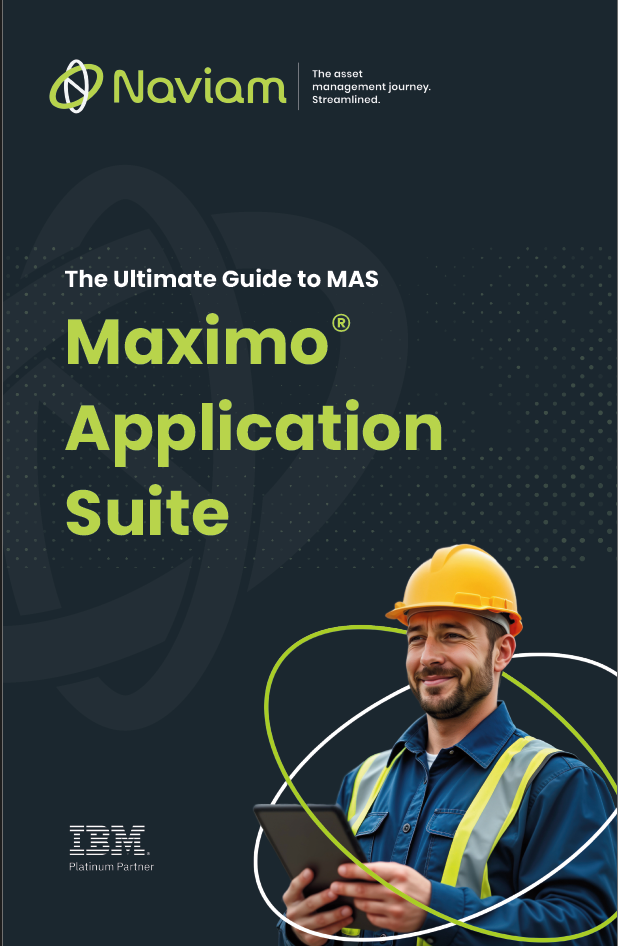
  • What’s new in IBM Maximo Application Suite 9.0
  • Key differences between Maximo 7.6 and MAS
  • How AppPoints and OpenShift change the game
  • Industry use cases across energy, manufacturing, and transportation
  • Step-by-step guidance for upgrading and migration readiness
Cover of 'The Ultimate Guide to MAS Maximo Application Suite' by Naviam featuring a man in a yellow construction helmet and safety vest holding a tablet.
×

ActiveG, BPD Zenith, EAM Swiss, InterPro Solutions, Lexco, Peacock Engineering, Projetech, Sharptree, and ZNAPZ have united under one brand: Naviam.

You’ll be redirected to the most relevant page at Naviam.io in a few seconds — or you can go now.

Read Press Release