The Maintenance Paradox: More Maintenance Does Not Mean Better Business Performance
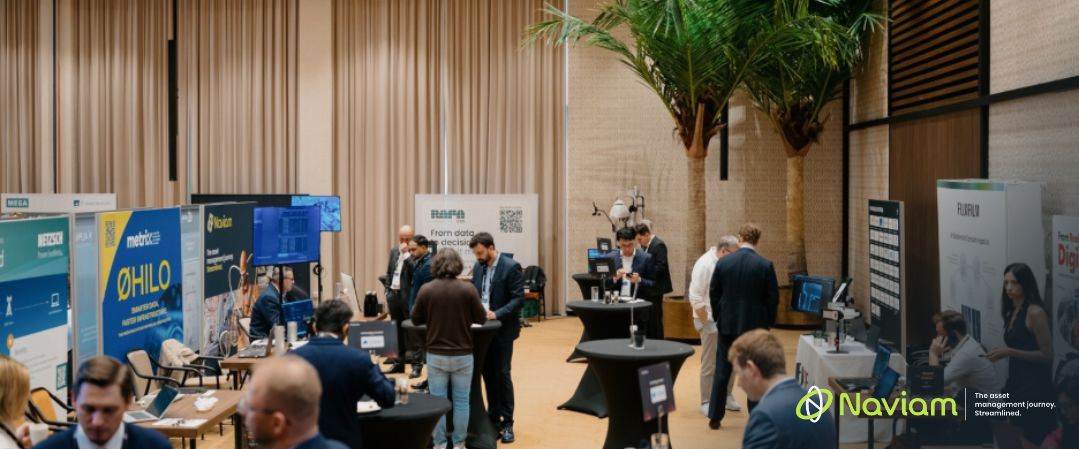
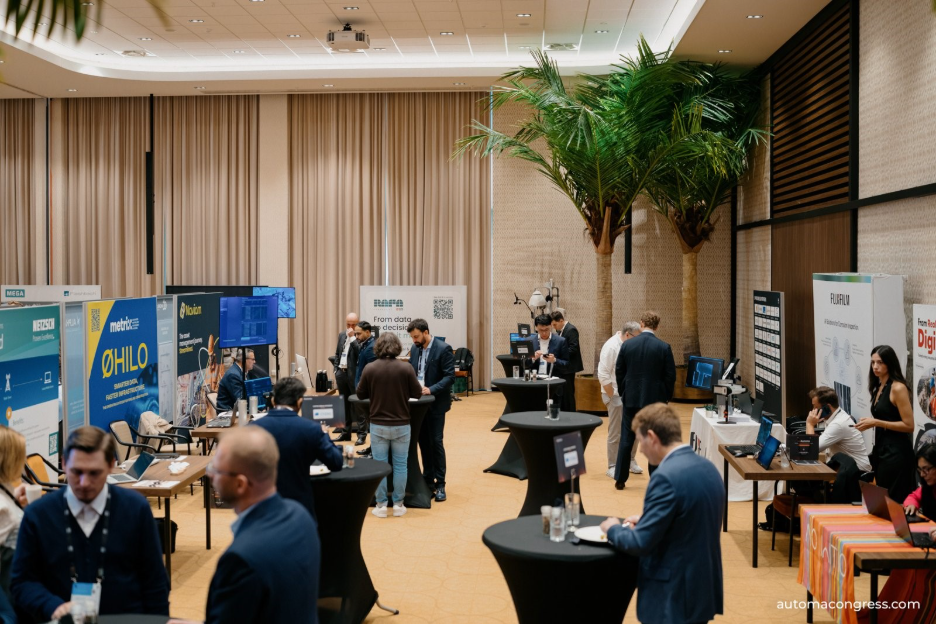
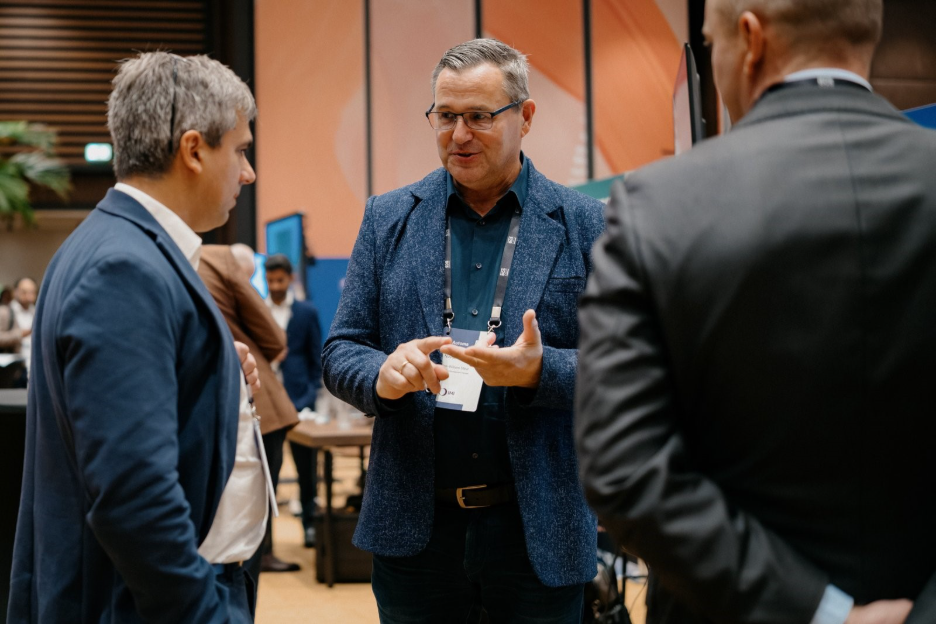
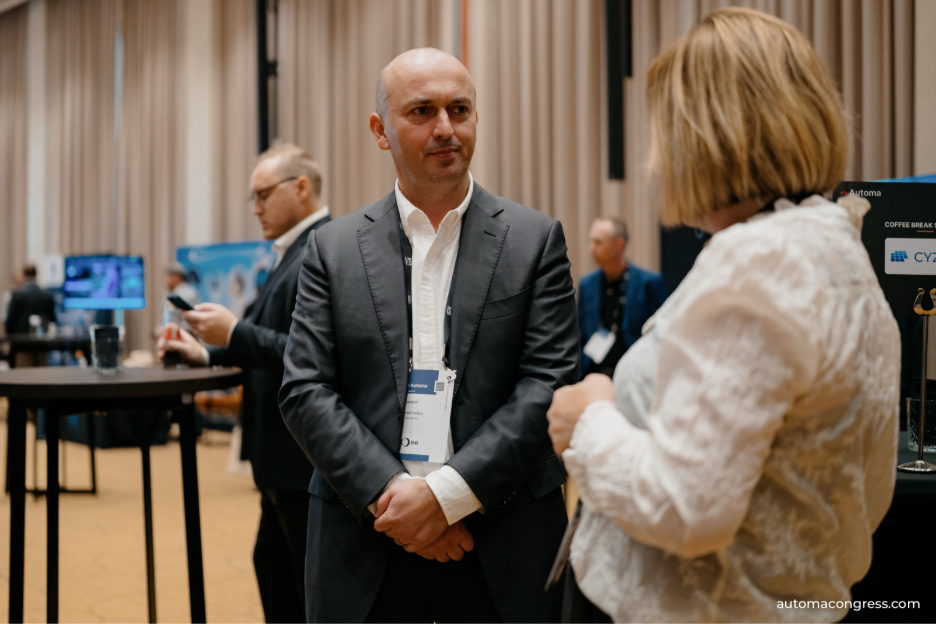
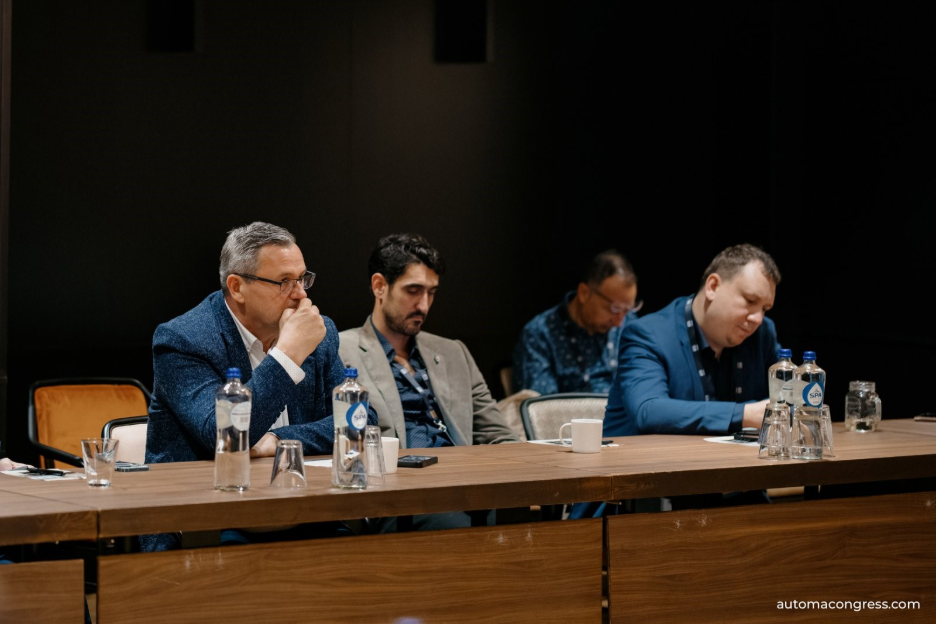
Earlier this month, Jan-Willem Steur and I represented Naviam at AUTOMA 2026, the Oil & Gas Automation and Digitalisation Congress, held in Amsterdam in October. Over two days we spoke with refineries, pipeline and terminal operators, and maintenance service providers from across Europe, Latin America, Asia, and the Middle East. Here are some of my thoughts from my time there.
One theme kept coming back in the conversations I had, and it starts with one of the most persistent myths in asset-intensive industries: that asset performance improves when maintenance activity increases.
In reality, high-performing asset owners understand that the objective is not to maximise maintenance. The objective is to maximise business outcomes.
Every maintenance intervention carries a cost:
The best maintenance strategy is not the one that generates the most work orders. It is the one that delivers the required levels of safety, regulatory compliance, asset availability and profitability at the lowest total cost.
In other words: Good maintenance is not more maintenance. It is precisely the maintenance required to achieve business objectives.
Having spoken with both asset owners and maintenance service providers at AUTOMA, I could see clearly that this is where many asset owners face a challenge.
Maintenance contractors, service providers and equipment vendors are often incentivised to increase inspection scopes, service intervals, engineering studies and maintenance activities. More maintenance work typically translates into more billable hours, larger contracts and higher revenues.
Asset owners, however, have fundamentally different objectives. They are measured on:
These objectives do not necessarily require more maintenance. They require optimal maintenance.
The most successful operators challenge every maintenance activity with a simple question: Does this intervention reduce a meaningful business risk or create measurable business value?
If the answer is no, the activity should be reconsidered.
Historically, many organisations measured maintenance success through operational metrics:
While important, these metrics do not necessarily correlate with business performance. Leading operators increasingly focus on metrics such as:
This shifts the conversation from "Are we doing enough maintenance?" to "Are we spending our maintenance budget where it creates the greatest value?" That is the transformation from a maintenance-driven approach to asset management.
Many of the oil and gas representatives we met were openly questioning whether their current maintenance platform was the right fit and asking why they should consider IBM Maximo instead. Jan-Willem's demonstration of our IoT monitoring stack drew strong interest, particularly from service providers managing maintenance for multiple clients.
A modern EAM system should not function merely as a maintenance execution platform. Its real value lies in helping organisations answer critical business questions:
Asset management maturity is achieved when maintenance decisions are driven by economics, risk, safety and production impact rather than by historical routines.
Wherever the people I spoke to were from, the same pressures came up again and again. In a period of capital discipline and ageing infrastructure, asset owners will create competitive advantage not by maximising maintenance effort but by maximising the value extracted from every euro invested in their assets.
The winners will be companies that can distinguish between:
The goal is not to maintain assets forever. The goal is to generate the highest possible return from assets while maintaining safety, compliance and operational integrity. That is what modern asset management should be about.
Our goal is simple: turn EAM from a cost centre into a value-generating investment. The true measure of asset management success is not how much maintenance is performed. It is how effectively assets contribute to safety, production, profitability and long-term business performance.
Using IBM Maximo, organisations can move beyond maintenance management towards value-driven asset management. By combining asset data, operational insight, risk information and business objectives, asset owners can ensure that maintenance activities, capital investments and asset strategies are aligned with business results.
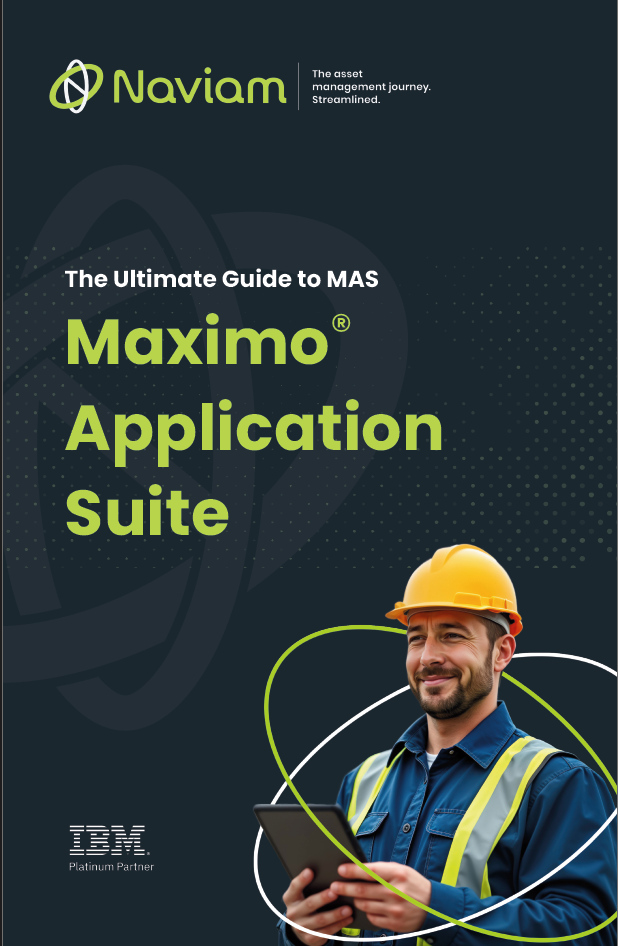
Discover everything you need to know to modernize your asset management strategy.
Inside, you’ll learn:

ActiveG, BPD Zenith, Cohesive, EAM Swiss, InterPro Solutions, Lexco, Peacock Engineering, Projetech, Sharptree, and ZNAPZ have united under one brand: Naviam.
You’ll be redirected to the most relevant page at Naviam.io in a few seconds — or you can
go now.