
EuroMaintenance 2026 in Luleå: Big Ideas, Practical Lessons, and a Realistic Look at the Future of Maintenance
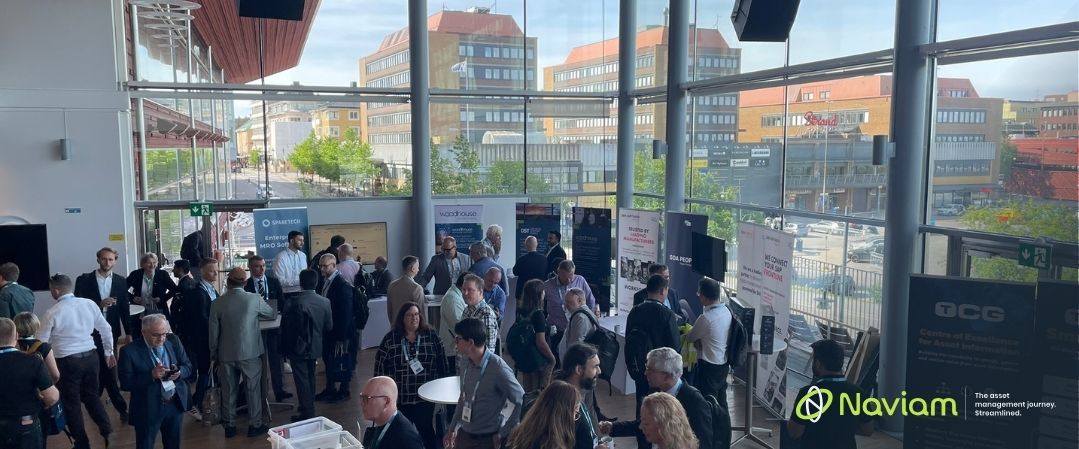
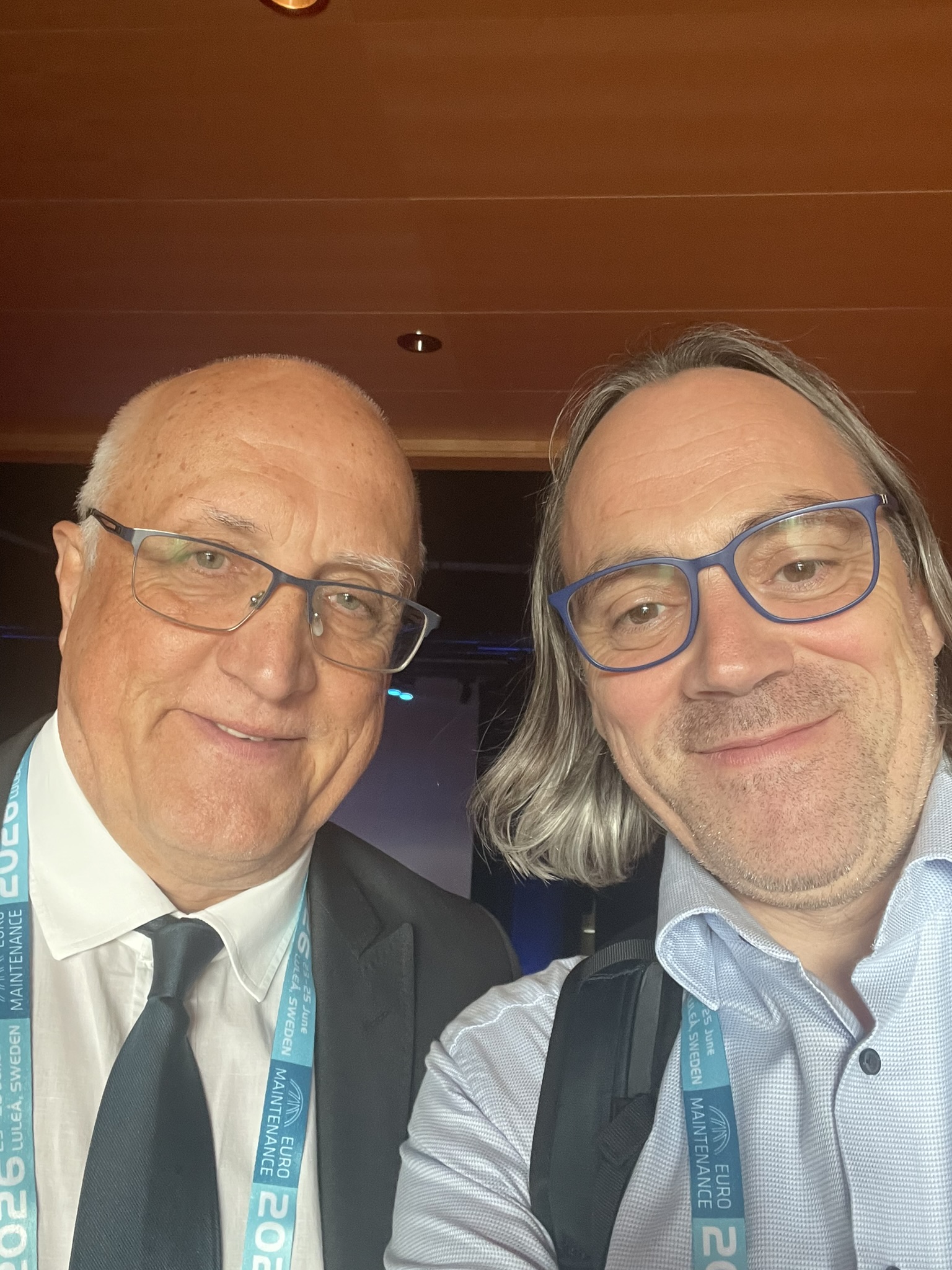
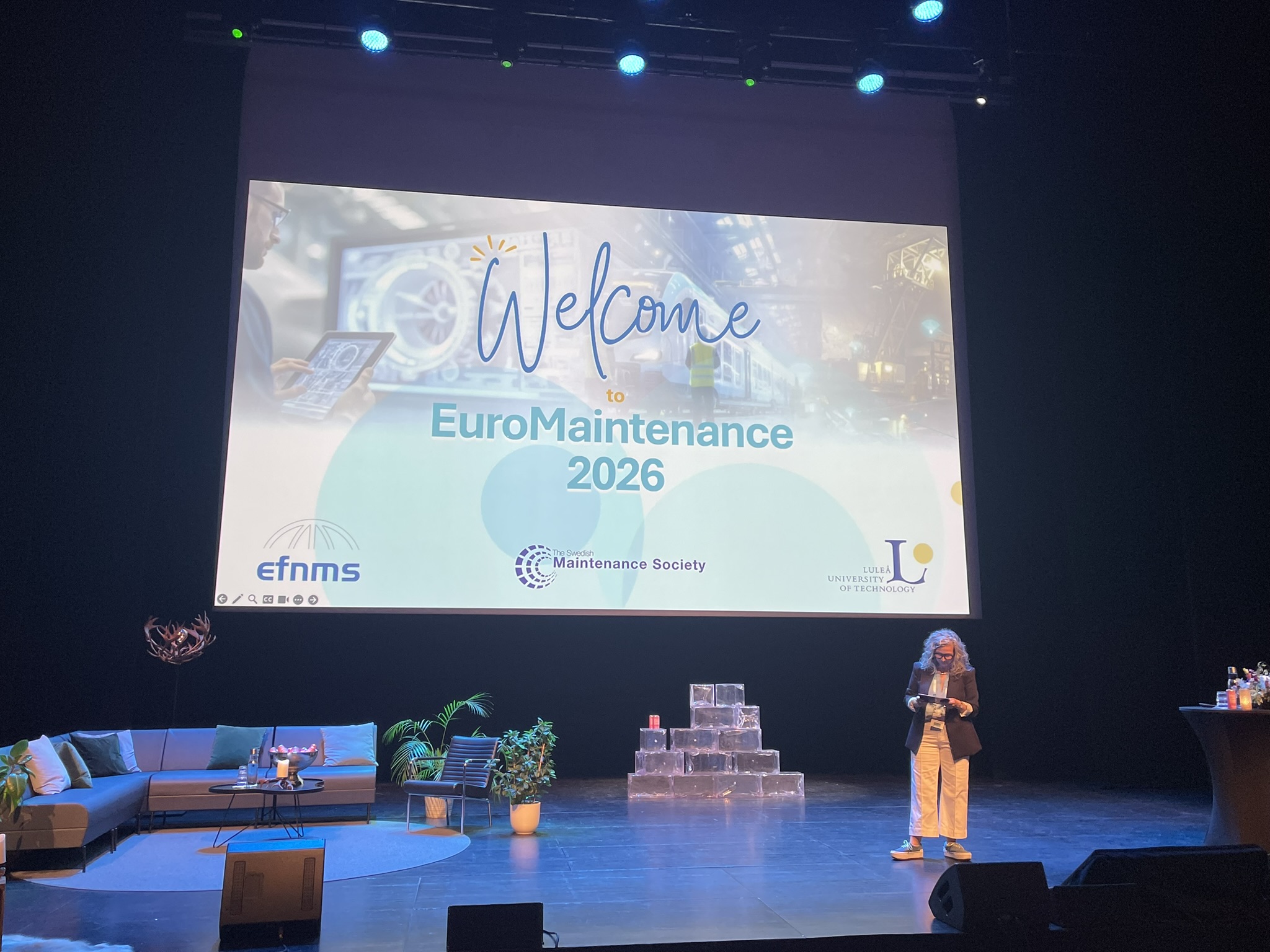
Three days in Swedish Lapland, surrounded by maintenance professionals, researchers, technology providers and asset management practitioners from across Europe: EuroMaintenance 2026 in Luleå was a dense, inspiring, and very worthwhile experience. It was especially valuable as a place to sharpen perspectives, collect ideas, exchange with the community, and reflect on where maintenance, reliability, and asset management are heading.
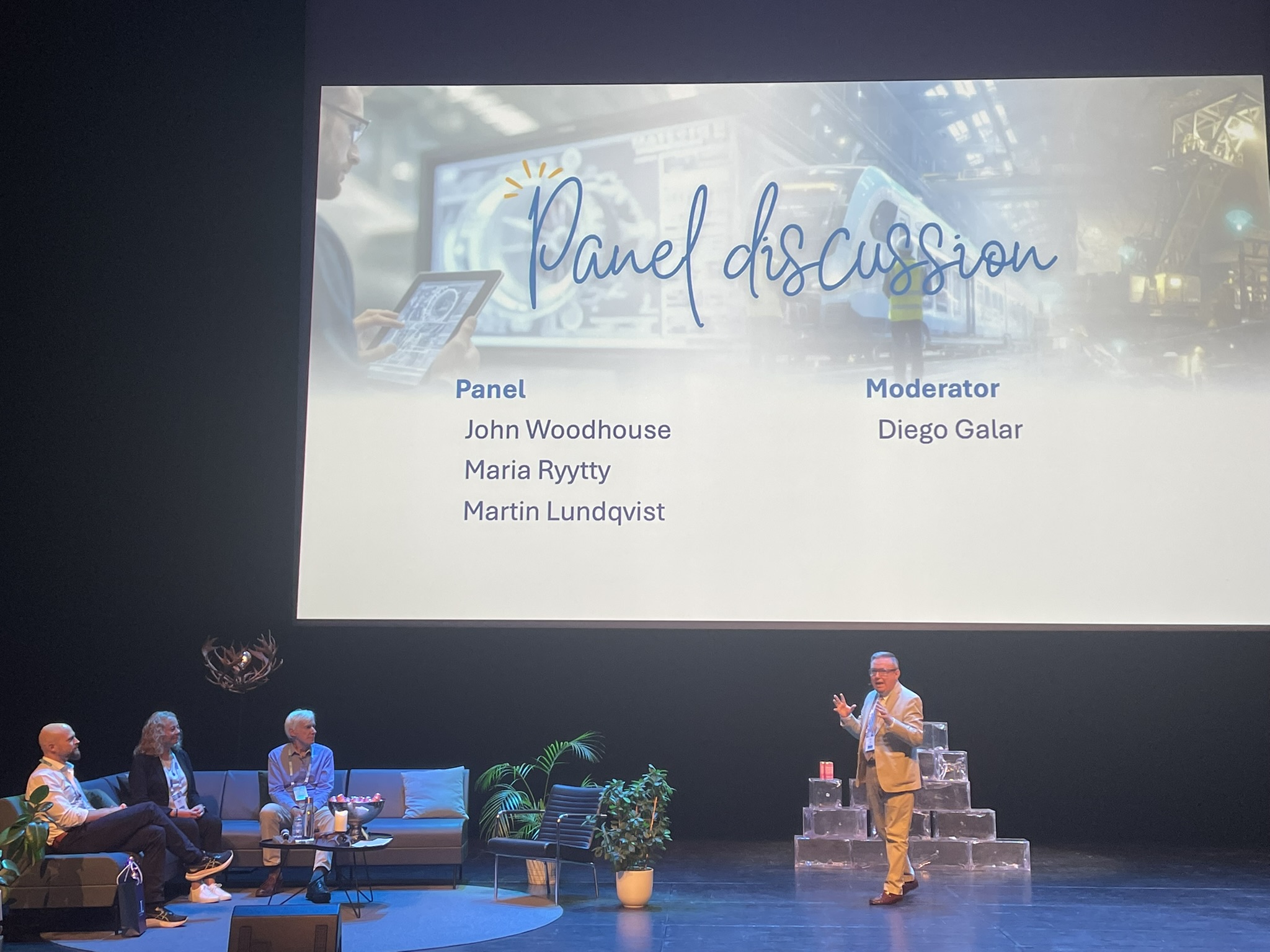
The programme made one thing very clear: maintenance is no longer just about keeping equipment running. It is increasingly connected to operational excellence, sustainability, business continuity, lifecycle cost, safety, and resilience. The keynotes and technical sessions covered an impressive spectrum, from asset care across sites and regions to logistics systems, predictive maintenance in real plant operations, reliability engineering, digital twins, data-driven decision-making, and condition-based maintenance.
That breadth was one of the most valuable aspects of the event. EuroMaintenance showed how broad the maintenance domain has become: still deeply technical, but now inseparable from organisational alignment, data quality, competence development, and measurable business impact.
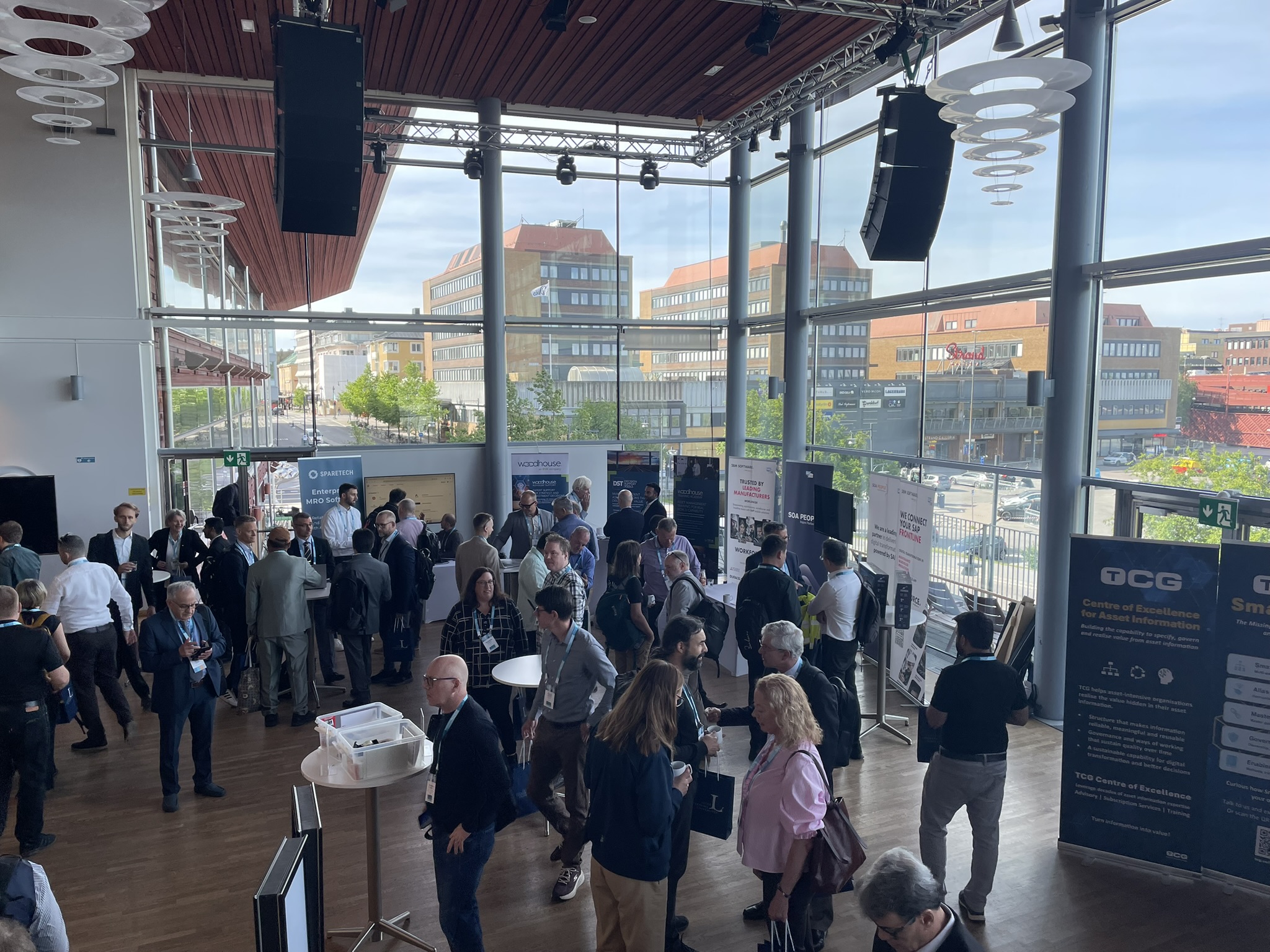
The exhibition and many sessions naturally had a strong technology focus. Condition-based monitoring, Asset Performance Management, AI-supported diagnostics, digital twins, sensor data, and predictive models were present everywhere. There were also CMMS providers, inventory optimisation specialists, and service companies helping organisations make better use of their maintenance data and spare parts.
But one of my strongest takeaways was that technology itself is rarely the limiting factor. Many presentations pointed in the same direction: AI is only useful when the underlying data is good, when domain knowledge is available, and when people remain part of the decision loop. “Human in the loop” is not a buzzword — it is a must.
The most convincing stories were not the ones promising magic through technology. They were the ones explaining how organisations moved from pilots to sustained impact: by standardising what matters, adapting the way of working to local realities, accepting imperfect information, and using momentum to execute first steps.
A recurring theme throughout the conference was that people and teams remain the most valuable assets of any organisation. Young professionals are fast learners and absorb knowledge quickly, but experience still matters. Domain knowledge still matters. Communication and mentality matter. Skepticism is a natural human default, and successful transformation must work with that reality rather than against it.
For me, this reinforced a simple but important point: it is not “technology, process, and people”. It is people, process and technology — and the translation between these three worlds is where real business impact is created. Maintenance leaders increasingly need to translate technical reliability, asset health, resources, and processes into business language: risk reduction, availability, safety, cost, sustainability, and operational excellence.
This is also where Maximo and Naviam fit naturally into the picture. Maximo provides a proven and flexible technology foundation for managing assets, work, data, CBM, APM, and operational processes at scale — almost like an operating system for digital enterprise asset management. Naviam’s particular strength is to make that technology meaningful in the real world: by understanding how people work, how processes actually run, where organisations need structure, and how these people-and-process realities can be translated and mapped into Maximo configuration, setup, and governance. That translation capability is where digital tools start to support measurable improvements rather than become an end in themselves.
Some of the examples were genuinely eye-opening. I learned about drones that are no longer only inspecting assets but can also use tools to perform work, even when those tools change the drone’s centre of gravity. I also heard how fibre optics along railway lines can be used to detect vibrations and events such as avalanches. These were the kind of moments that made the conference feel less like a standard industry event and more like a glimpse into what is already possible today. |
The academic sessions added another important layer. Many university contributions were highly specialised, but they showed how much research is happening around reliability, diagnostics, AI, monitoring, and sustainable asset management. Not every topic was immediately applicable to day-to-day consulting work, but many of them helped frame the questions our customers will increasingly ask in the coming years.
EuroMaintenance was also designed to create space for networking. Coffee breaks, lunches, exhibition visits, and evening events — including a boat trip under the midnight sun and the gala dinner — created many opportunities to meet people and exchange impressions from the sessions.
What stood out was the quality of the conversations. The audience and format were excellent for learning, inspiration, and community exchange, with many discussions helping to connect practical experience, research perspectives, and industry challenges. The value of the event was therefore not only in formal sessions but also in the informal exchanges around them.
Sometimes the best outcome of a conference is a clearer view of the market, better language for customer discussions, and renewed energy for the topics that matter. In that sense, Luleå delivered.
The next EuroMaintenance will take place in Slovenia in two years’ time, and I am already looking forward to seeing how the themes will evolve. Depending on the focus, this could be an interesting opportunity for Naviam to be more visible — perhaps as a sponsor, presenter, or exhibitor — especially if the agenda continues to connect asset management, reliability, operational excellence, and practical digital transformation.
For now, my conclusion is simple: EuroMaintenance 2026 was a valuable reminder that the future of maintenance will not be built by technology alone. It will be built by people who understand assets, data, processes, and business impact and who can bring these worlds together in a practical, sustainable way.
Discover everything you need to know to modernize your asset management strategy.
Inside, you’ll learn:

ActiveG, BPD Zenith, EAM Swiss, InterPro Solutions, Lexco, Peacock Engineering, Projetech, Sharptree, and ZNAPZ have united under one brand: Naviam.
You’ll be redirected to the most relevant page at Naviam.io in a few seconds — or you can
go now.

.avif)