
How Maximo Enables End-to-End Work Management in the Energy Industry
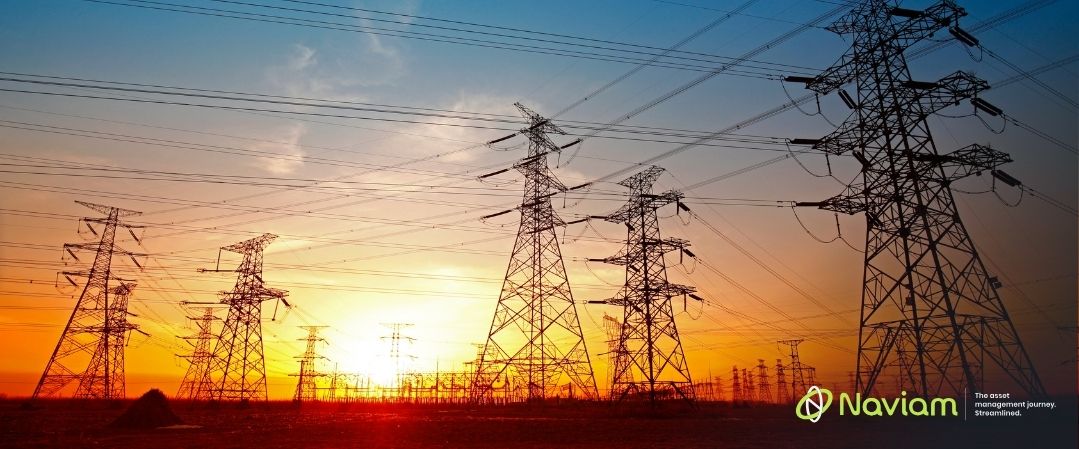
Energy organizations operate in one of the most demanding environments of any asset-intensive industry. Whether managing power generation, transmission networks, or oil and gas infrastructure, teams are responsible for keeping critical assets running safely, efficiently, and continuously.
Every maintenance decision carries weight. A delayed work order, an unplanned outage, or a missed inspection can have significant operational, financial, and regulatory consequences.
At the center of these operations is work management.
IBM Maximo Application Suite provides a structured, end-to-end approach to managing work across the entire asset lifecycle. By connecting planning, execution, approvals, and reporting within a single system, Maximo helps energy organizations move from reactive processes to controlled, optimized workflows.
Work management in the energy sector is not just simply issuing work orders. It involves coordinating multiple teams, ensuring compliance with safety standards, and maintaining visibility across complex asset networks.
Typical challenges include:
Without a structured workflow, these activities can become fragmented. Work requests may be delayed, approvals may be inconsistent, and critical information can be lost between teams.
End-to-end work management ensures that every step, from identifying an issue to completing the work and capturing results, follows a consistent and controlled process.
Maximo supports the full lifecycle of work through configurable workflows that guide how work is created, reviewed, executed, and closed.
Rather than relying on manual coordination, the system enforces defined processes that ensure work moves through the right steps at the right time.
A typical end-to-end workflow in Maximo includes:
Each stage is connected within the system, creating a single, traceable flow of information.
This structure is especially important in energy environments where safety, compliance, and operational reliability depend on consistent execution.
One of Maximo’s strengths is its ability to adapt workflows to match real-world processes.
Using the workflow designer in Maximo Manage, organizations can define how work moves through the system based on their specific operational requirements. This includes:
For example, a high-risk maintenance activity on a transmission asset may require multiple approvals and safety checks before execution. Maximo ensures those steps are followed automatically, reducing the risk of missed procedures.
At the same time, lower-risk work can follow a streamlined path, allowing teams to operate efficiently without unnecessary delays. This flexibility allows energy organizations to standardize processes while still accommodating different asset types and operational scenarios.
In many organizations, planning, scheduling, and execution are handled across different systems or teams. This can create gaps in communication and visibility.
Maximo brings these functions together into a unified workflow.
Planners can define work packages, assign resources, and schedule activities. Field technicians can execute work and update status in real time. Supervisors can monitor progress and ensure work is completed according to plan.
Because all of this happens within a single system, organizations gain:
This level of integration is particularly important in regulated energy environments where documentation and traceability are critical.
Energy organizations frequently manage large-scale outages and planned shutdowns. These events involve coordinating hundreds or even thousands of work activities within a defined timeframe. Without structured workflows, outage management can quickly become chaotic.
Maximo supports outage planning and execution by providing:
Workflows ensure that each task moves through the required approvals and is executed in the correct order. This reduces delays, minimizes risk, and helps ensure that outages are completed on schedule.
Safety is a top priority in the energy industry, and work management plays a direct role in ensuring safe operations. Maximo workflows can be configured to enforce safety procedures as part of the work process. This includes:
By embedding safety requirements into workflows, organizations reduce reliance on manual checks and improve consistency across operations.
An effective work management system does more than execute tasks. It provides the data needed to improve performance over time.
Because Maximo captures every step of the work process, organizations can analyze:
This data supports continuous improvement efforts and helps organizations refine their maintenance strategies. For example, if certain types of work consistently experience delays, workflows can be adjusted to remove bottlenecks. If specific assets generate repeated work orders, maintenance strategies can be revisited.
End-to-end work management does not exist in isolation. It connects directly to broader asset management and operational strategies. Within the Maximo Application Suite, work management integrates with:
This integration allows energy organizations to move from reactive work execution to a more proactive and data-driven approach. Work is no longer triggered only by failures. It can be driven by condition data, predictive insights, and long-term asset strategies.
The energy industry includes a wide range of operational environments where structured workflows provide significant value. Maximo supports use cases such as:
Power plants require coordinated maintenance across turbines, boilers, and auxiliary systems. Workflows ensure that maintenance activities follow proper planning, approvals, and safety procedures.
Field crews maintaining transmission lines and substations rely on clear workflows to manage inspections, repairs, and emergency response activities.
Upstream and downstream facilities require strict process control and safety compliance. Workflows help manage complex maintenance activities and ensure regulatory requirements are met.
Wind, solar, and other renewable assets are often geographically dispersed. Structured workflows help coordinate maintenance activities and ensure consistency across sites.
For energy organizations, improving work management directly impacts reliability, safety, and financial performance.
When workflows are clearly defined and consistently executed, organizations can:
Maximo enables this by providing a structured framework that connects people, processes, and data.
As energy organizations continue to modernize, work management is becoming more intelligent and more connected. AI, predictive analytics, and digital workflows are transforming how maintenance is planned and executed. Systems like Maximo are evolving from simple work order tools into platforms that guide decision-making across the asset lifecycle.
End-to-end workflows are a critical part of this transformation. They ensure that insights from monitoring and analytics are translated into action, and that work is executed consistently and safely across the organization.
For energy companies looking to improve reliability and operational performance, modernizing work management is a foundational step.
Discover everything you need to know to modernize your asset management strategy.
Inside, you’ll learn:


ActiveG, BPD Zenith, EAM Swiss, InterPro Solutions, Lexco, Peacock Engineering, Projetech, Sharptree, and ZNAPZ have united under one brand: Naviam.
You’ll be redirected to the most relevant page at Naviam.io in a few seconds — or you can
go now.


.avif)