
Why Airports Are Turning to Maximo Application Suite to Modernize Operations
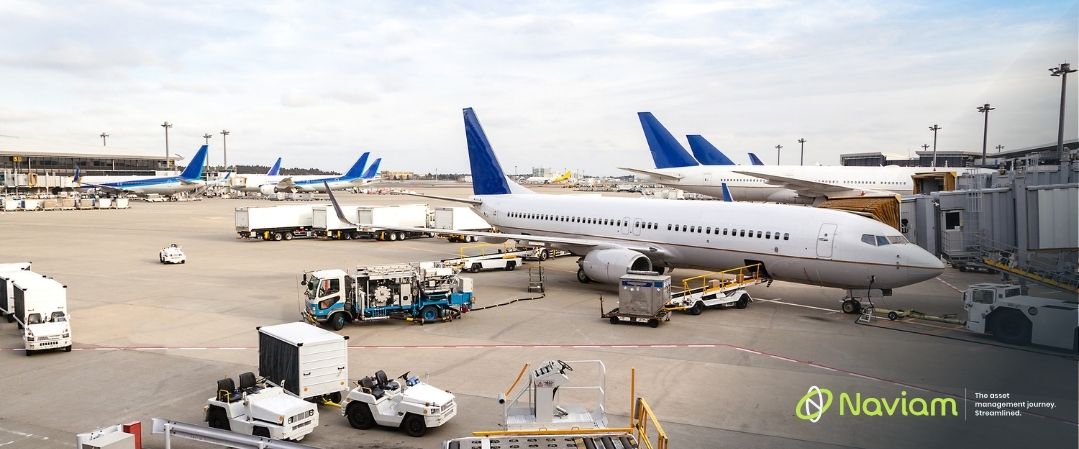
Airports operate in one of the most complex asset environments of any industry. Every day, thousands of interconnected activities rely on infrastructure, equipment, and maintenance teams working together without interruption.
From terminals and baggage systems to ground support equipment and airfield assets, operational reliability directly affects airlines, passengers, and airport performance. That is why many airports are turning to Maximo Application Suite.
Maximo helps airports move beyond fragmented maintenance processes by connecting asset management, inspections, work execution, fleet operations, and operational visibility within a single platform. In an environment where delays and downtime quickly become visible, that level of coordination matters.
Airport operations depend on far more than buildings and facilities. Airports must manage:
Many of these systems operate continuously and under strict operational timelines. A single equipment issue can quickly affect turnaround schedules, passenger flow, or airline operations. Unlike many industries, maintenance in airports is highly visible. Passengers immediately notice delays, gate disruptions, baggage issues, or unavailable services. That puts additional pressure on maintenance and operations teams to respond quickly and consistently.
Maximo provides airports with a centralized platform for managing both facilities and operational assets. At a high level, it helps airports:
What makes Maximo highly valuable in aviation environments is its ability to manage both traditional facilities maintenance and operational fleet environments within the same system. That includes assets such as:
These assets directly affect aircraft turnaround operations and gate efficiency, making reliability critical.
Ground support equipment is one of the most operationally sensitive areas in an airport environment. GSE assets move constantly between gates, terminals, maintenance areas, and aircraft operations. They also experience high utilization, variable operating conditions, and significant wear.
Without centralized visibility, airports often struggle with:
Maximo helps address this by centralizing GSE maintenance and operational tracking. Maintenance teams can manage:
This creates a more operationally aware maintenance environment where airports can better understand which assets are available, which are under maintenance, and where operational risks exist.
One of the biggest challenges in airport environments is that maintenance decisions directly affect operations. A failed baggage tractor or unavailable GPU is not a simple maintenance issue. It impacts aircraft turnaround, gate scheduling, and service performance.
Maximo helps connect these operational dependencies. Because maintenance, fleet, and work execution exist within the same platform, airports can better coordinate:
This creates a more connected operational model where maintenance teams are working with real operational context rather than isolated work requests.
Consider an airport managing hundreds of GSE assets across multiple terminals. Historically, maintenance tracking may have been handled separately by department, with limited visibility into where equipment was located, whether it was available, or how recurring failures affected operations.
Using Maximo, the airport centralizes management of:
Over time, operations teams begin identifying patterns. Certain baggage tractors experience recurring failures during peak operational periods. Specific terminals show higher downtime due to asset availability issues. Maintenance planners can now analyze those trends and adjust maintenance schedules, rotate assets more effectively, and prioritize repairs based on operational impact.
Instead of reacting to breakdowns during active operations, the airport gains a more proactive approach to managing fleet reliability and turnaround readiness.
In airport environments, maintenance is closely tied to operational readiness. Ground support equipment such as GPUs, belt loaders, baggage tractors, and pushback vehicles must be available at the correct gate and at the correct time to support aircraft operations.
Maximo supports this by combining:
This gives airport operations teams better visibility into:
For example, if a GPU repeatedly fails inspection or generates recurring work orders, Maximo can help identify:
Maintenance planners can then adjust PM schedules, prioritize repairs, or redistribute equipment to reduce disruption during peak travel periods. This becomes especially important in large airport environments where equipment availability directly affects aircraft turnaround performance.
Airports operate under strict operational and regulatory requirements. Inspections and documentation are essential parts of daily operations. Maximo supports inspection and compliance workflows by allowing airports to schedule recurring inspections, capture inspection results digitally, generate corrective actions based on those results, and maintain audit-ready records.
This is especially valuable for assets tied to safety and operational continuity, including:
Because inspections connect directly to work management, issues identified in the field can immediately trigger corrective action. That reduces delays between identification and resolution while improving operational visibility.
One of the most important operational improvements airports gain from Maximo is visibility. Many airports operate with maintenance, operations, and facilities teams working in disconnected systems. That makes it difficult to understand how asset issues affect broader airport performance.
Maximo helps centralize this information. Using dashboards, KPIs, and reporting tools, airports can monitor:
This creates a more complete operational picture where maintenance decisions can be prioritized based on real impact.
One of the advantages of Maximo Application Suite is that airports are not limited to a single maintenance application. MAS combines multiple applications within a shared platform, allowing airports to connect maintenance, inspections, monitoring, and operational workflows using the same asset and operational data.
For airport environments, that connected approach is important because facilities, fleet operations, terminal infrastructure, and maintenance teams all rely on the same operational visibility.
Maximo Manage serves as the core asset management and maintenance application within MAS.
Airports can use Manage to support:
This creates a centralized operational system for managing airport infrastructure, fleet assets, and maintenance execution.
Maximo Monitor provides monitoring and visibility into asset performance and operational conditions. For airports, this can support operational awareness across critical infrastructure and equipment environments where uptime and responsiveness are essential.
Maximo Health helps organizations better understand asset condition and operational risk by providing visibility into asset health and performance. This can help airport operations and maintenance teams prioritize maintenance activities and focus on assets with higher operational impact.
Maximo Predict extends asset monitoring capabilities by helping organizations identify patterns and potential failure risks using operational data and AI-driven insights. For airport environments, this supports more proactive maintenance decision-making and operational planning.
Maximo Mobile supports field-based work execution by allowing technicians to access and update maintenance information directly from mobile devices. In airport environments where technicians move constantly between terminals, gates, and operational areas, mobile access helps improve responsiveness and reduce delays in work execution.
Maximo Visual Inspection uses AI-powered visual analysis to identify defects and anomalies from images and video. These capabilities support inspection-focused environments where consistency, speed, and operational visibility are important.
By connecting maintenance, fleet operations, inspections, work execution, and operational visibility within a single platform, airports gain a more scalable and operationally aware approach to managing complex aviation environments.
For airports focused on modernization, operational readiness, and passenger experience, that becomes a significant advantage.

Discover everything you need to know to modernize your asset management strategy.
Inside, you’ll learn:

ActiveG, BPD Zenith, EAM Swiss, InterPro Solutions, Lexco, Peacock Engineering, Projetech, Sharptree, and ZNAPZ have united under one brand: Naviam.
You’ll be redirected to the most relevant page at Naviam.io in a few seconds — or you can
go now.


.avif)