
Hoe Maximo end-to-end werkbeheer in de energiesector mogelijk maakt
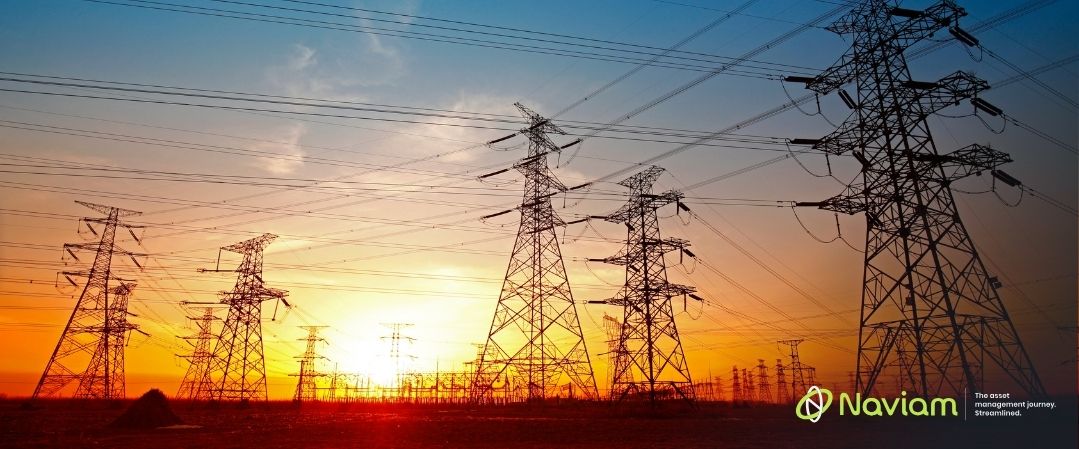
Energy organizations operate in one of the most demanding environments of any asset-intensive industry. Whether managing power generation, transmission networks, or oil and gas infrastructure, teams are responsible for keeping critical assets running safely, efficiently, and continuously.
Every maintenance decision carries weight. A delayed work order, an unplanned outage, or a missed inspection can have significant operational, financial, and regulatory consequences.
At the center of these operations is work management.
IBM Maximo Application Suite provides a structured, end-to-end approach to managing work across the entire asset lifecycle. By connecting planning, execution, approvals, and reporting within a single system, Maximo helps energy organizations move from reactive processes to controlled, optimized workflows.
Work management in the energy sector is not just simply issuing work orders. It involves coordinating multiple teams, ensuring compliance with safety standards, and maintaining visibility across complex asset networks.
Typical challenges include:
Without a structured workflow, these activities can become fragmented. Work requests may be delayed, approvals may be inconsistent, and critical information can be lost between teams.
End-to-end work management ensures that every step, from identifying an issue to completing the work and capturing results, follows a consistent and controlled process.
Maximo supports the full lifecycle of work through configurable workflows that guide how work is created, reviewed, executed, and closed.
Rather than relying on manual coordination, the system enforces defined processes that ensure work moves through the right steps at the right time.
A typical end-to-end workflow in Maximo includes:
Each stage is connected within the system, creating a single, traceable flow of information.
This structure is especially important in energy environments where safety, compliance, and operational reliability depend on consistent execution.
One of Maximo’s strengths is its ability to adapt workflows to match real-world processes.
Using the workflow designer in Maximo Manage, organizations can define how work moves through the system based on their specific operational requirements. This includes:
For example, a high-risk maintenance activity on a transmission asset may require multiple approvals and safety checks before execution. Maximo ensures those steps are followed automatically, reducing the risk of missed procedures.
At the same time, lower-risk work can follow a streamlined path, allowing teams to operate efficiently without unnecessary delays. This flexibility allows energy organizations to standardize processes while still accommodating different asset types and operational scenarios.
In many organizations, planning, scheduling, and execution are handled across different systems or teams. This can create gaps in communication and visibility.
Maximo brings these functions together into a unified workflow.
Planners can define work packages, assign resources, and schedule activities. Field technicians can execute work and update status in real time. Supervisors can monitor progress and ensure work is completed according to plan.
Because all of this happens within a single system, organizations gain:
This level of integration is particularly important in regulated energy environments where documentation and traceability are critical.
Energy organizations frequently manage large-scale outages and planned shutdowns. These events involve coordinating hundreds or even thousands of work activities within a defined timeframe. Without structured workflows, outage management can quickly become chaotic.
Maximo supports outage planning and execution by providing:
Workflows ensure that each task moves through the required approvals and is executed in the correct order. This reduces delays, minimizes risk, and helps ensure that outages are completed on schedule.
Safety is a top priority in the energy industry, and work management plays a direct role in ensuring safe operations. Maximo workflows can be configured to enforce safety procedures as part of the work process. This includes:
By embedding safety requirements into workflows, organizations reduce reliance on manual checks and improve consistency across operations.
An effective work management system does more than execute tasks. It provides the data needed to improve performance over time.
Because Maximo captures every step of the work process, organizations can analyze:
Deze gegevens ondersteunen continue verbeteringsinspanningen en helpen organisaties hun onderhoudsstrategieën te verfijnen. Als bepaalde soorten werk bijvoorbeeld voortdurend worden vertraagd, kunnen de workflows worden aangepast om knelpunten weg te nemen. Als specifieke bedrijfsmiddelen herhaalde werkorders genereren, kunnen onderhoudsstrategieën opnieuw worden bekeken.
End-to-end werkbeheer bestaat niet op zichzelf. Het sluit rechtstreeks aan op bredere vermogensbeheer- en operationele strategieën. Binnen de Maximo Application Suite integreert het werkbeheer met:
Dankzij deze integratie kunnen energieorganisaties overstappen van reactieve werkuitvoering naar een meer proactieve en datagestuurde aanpak. Werk wordt niet langer alleen veroorzaakt door storingen. Het kan worden aangestuurd door conditiegegevens, voorspellende inzichten en vermogensstrategieën voor de lange termijn.
De energiesector omvat een breed scala aan operationele omgevingen waar gestructureerde workflows van grote waarde zijn. Maximo ondersteunt use-cases zoals:
Elektriciteitscentrales vereisen gecoördineerd onderhoud van turbines, ketels en hulpsystemen. Workflows zorgen ervoor dat onderhoudsactiviteiten de juiste planning, goedkeuringen en veiligheidsprocedures volgen.
Veldpersoneel dat transmissielijnen en onderstations onderhoudt, is afhankelijk van duidelijke workflows om inspecties, reparaties en noodhulpactiviteiten te beheren.
Stroomopwaartse en stroomafwaartse faciliteiten vereisen strikte procesbeheersing en naleving van de veiligheidsvoorschriften. Workflows helpen bij het beheren van complexe onderhoudsactiviteiten en zorgen ervoor dat aan de wettelijke vereisten wordt voldaan.
Wind-, zonne- en andere hernieuwbare bronnen zijn vaak geografisch verspreid. Gestructureerde workflows helpen bij het coördineren van onderhoudsactiviteiten en zorgen voor consistentie op verschillende locaties.
Voor energieorganisaties heeft het verbeteren van het werkbeheer een directe invloed op betrouwbaarheid, veiligheid en financiële prestaties.
Wanneer workflows duidelijk zijn gedefinieerd en consistent worden uitgevoerd, kunnen organisaties:
Maximo maakt dit mogelijk door een gestructureerd raamwerk te bieden dat mensen, processen en gegevens met elkaar verbindt.
Naarmate energieorganisaties blijven moderniseren, wordt werkbeheer intelligenter en meer verbonden. AI, voorspellende analyses en digitale workflows veranderen de manier waarop onderhoud wordt gepland en uitgevoerd. Systemen zoals Maximo evolueren van eenvoudige werkorderhulpmiddelen naar platforms die de besluitvorming gedurende de levenscyclus van activa begeleiden.
End-to-end workflows vormen een cruciaal onderdeel van deze transformatie. Ze zorgen ervoor dat inzichten uit monitoring en analyses worden omgezet in actie en dat het werk in de hele organisatie consistent en veilig wordt uitgevoerd.
Voor energiebedrijven die de betrouwbaarheid en operationele prestaties willen verbeteren, is de modernisering van het werkbeheer een fundamentele stap.
Discover everything you need to know to modernize your asset management strategy.
Inside, you’ll learn:


ActiveG, BPD Zenith, EAM Swiss, InterPro Solutions, Lexco, Peacock Engineering, Projetech, Sharptree, and ZNAPZ have united under one brand: Naviam.
You’ll be redirected to the most relevant page at Naviam.io in a few seconds — or you can
go now.


.avif)